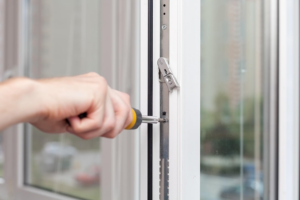
The Importance of Window Lock Inspection: A Comprehensive Guide
Windows are not just openings for light and air; they are important parts of a home's security and energy effectiveness. A well-kept window lock is essential for ensuring that your home stays safe and safe. This post looks into the value of window lock inspection, the actions associated with the process, and how to keep your window locks efficiently.
Intro to Window Locks
Window locks are systems designed to protect windows in a closed position, preventing unauthorized gain access to and making sure that the window stays closed during strong winds or storms. They are available in various types, including single-point locks, multi-point locks, and sliding window locks. Each type has its distinct features and advantages, but all serve the main purpose of boosting security and security.
Why Window Lock Inspection is Important
- Security: A malfunctioning window lock can leave your home susceptible to burglaries. Regular evaluations assist identify and resolve problems before they end up being major security risks.
- Energy Efficiency: Properly working window locks guarantee that windows are firmly sealed, preventing air leaks that can lead to increased energy usage and greater utility expenses.
- Safety: In the event of a fire or other emergencies, a well-kept window lock can be rapidly and quickly opened, providing a crucial escape path.
- Compliance: Many building codes and insurance coverage require routine window lock examinations to guarantee compliance and maintain coverage.
Steps for Conducting a Window Lock Inspection
Visual Inspection
- Examine for Damage: Look for any indications of wear and tear, such as broken or missing parts, rust, or rust.
- Take a look at the Frame: Ensure that the window frame is not distorted or harmed, as this can affect the lock's efficiency.
- Check the Lock Mechanism: Check for any loose screws, misaligned parts, or indications of tampering.
Practical Testing
- Run the Lock: Open and close the window numerous times to guarantee that the lock engages and disengages smoothly.
- Evaluate the Seal: Close the window and check for any gaps or drafts. An effectively operating lock must create a tight seal.
- Look For Smooth Operation: Ensure that the lock mechanism moves easily and does not stick or jam.
Cleaning up and Lubrication
- Clean the Lock: Use a soft fabric to remove any dirt or debris from the lock system. For persistent gunk, a moderate detergent and water option can be utilized.
- Lubricate Moving Parts: Apply a silicone-based lube to the moving parts of the lock to make sure smooth operation. Avoid utilizing oil-based lubricants, as they can attract dirt and dust.
Replacement or Repair
- Recognize Issues: If the lock is harmed beyond repair, it must be replaced. If minor issues are recognized, they can frequently be fixed with basic repairs.
- Speak with a Professional: For intricate issues, it might be best to speak with an expert window installer or locksmith professional.
Tips for Maintaining Window Locks
- Routine Inspections: Conduct a thorough examination of your window locks a minimum of two times a year, or more frequently if you reside in a location with harsh weather conditions.
- Keep It Clean: Regular cleaning can prevent the accumulation of dirt and particles, which can disrupt the lock's operation.
- Utilize the Right Tools: When cleansing or oiling the lock, use the appropriate tools to avoid damaging the mechanism.
- Stay Informed: Keep current with any remembers or security advisories related to your window locks.
Frequently asked questions
Q: How often should I check my window locks?A: It is advised to check your window locks at least two times a year. However, if you live in an area with severe climate condition or if you see any problems, more frequent inspections may be necessary.
Q: Can I examine and maintain my window locks myself, or should I hire an expert?A: Many fundamental examinations and upkeep tasks can be carried out by house owners. However, for complicated issues or if you are unsure about the process, it is best to seek advice from a professional.
Q: What should I do if my window lock is damaged?A: If your window lock is damaged, it ought to be replaced as soon as possible. Continuing to utilize local lock repair broken lock can jeopardize the security and security of your home.
Q: Are there any particular tools I need for window lock evaluation and maintenance?A: Basic tools such as a soft cloth, a silicone-based lube, and a screwdriver are typically enough for a lot of evaluations and upkeep jobs. For more complex problems, specialized tools might be required.
Q: Can a poorly operating window lock affect my home's energy efficiency?A: Yes, an improperly working window lock can result in air leakages, which can increase energy usage and lead to greater utility costs. Making sure that your window locks remain in great condition is crucial for preserving energy effectiveness.
Window locks play a vital function in the security, security, and energy effectiveness of your home. Routine inspections and upkeep are vital to guarantee that your window locks are operating effectively. By following the actions detailed in this guide, you can keep your windows protected and your home comfy. Keep in mind, a small investment in window lock upkeep can offer significant benefits in the long run.
By staying proactive and notified, you can delight in the assurance that includes knowing your home is well-protected.